A hardware-in-the-loop test stand (HiL test stand) tests components and systems under realistic conditions before they are integrated into their final environment. The device under test behaves as if it were already part of the complete system, because it is exposed to exactly the same physical and electronic influences.
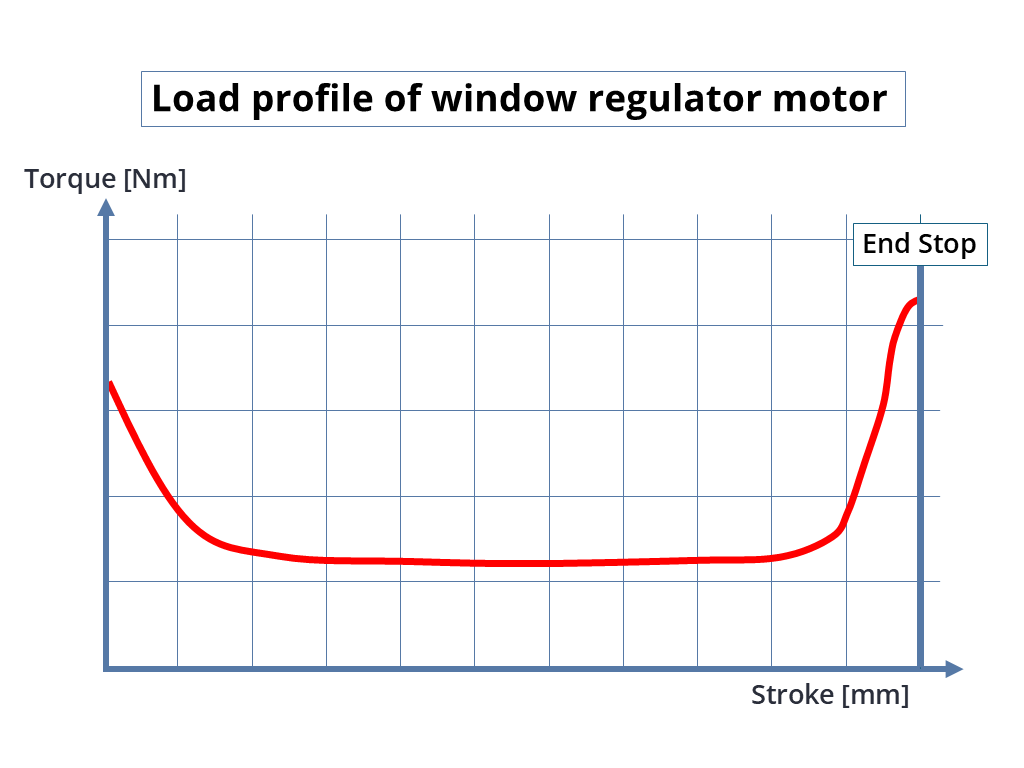
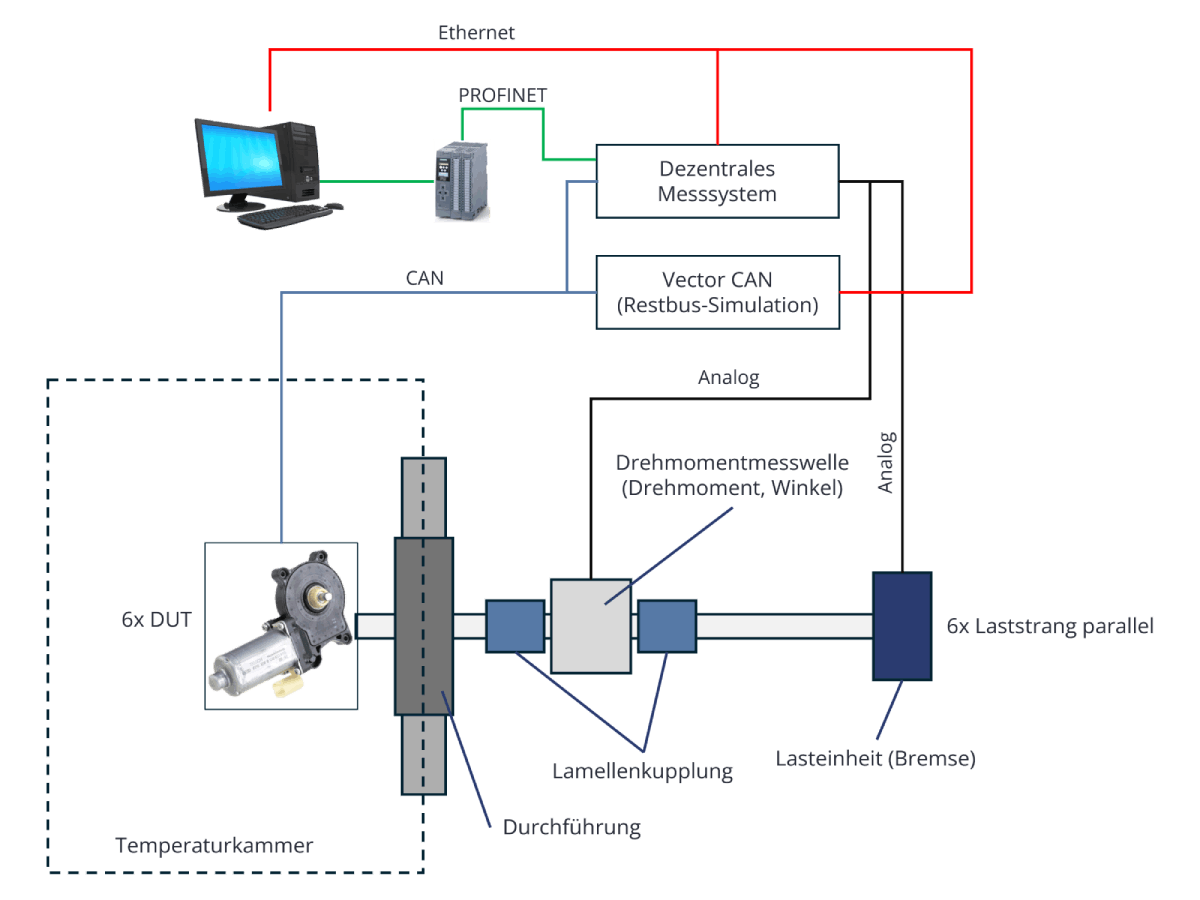
Typical simulations in a HiL test are residual bus simulation (replacing the missing field or vehicle bus), environmental simulation (heat, cold, humidity and so on) and load profile simulation (realistic mechanical loads).
Mechanical loads include forces, torques, temperatures, pressures, speeds, accelerations and vibration. The software and firmware environment matters just as much, above all communication with control units over bus systems such as CAN or LIN, as used in modern vehicles.
Combining physical and digital influences creates a test environment in which the device under test "believes" it is already in its final application. The result: meaningful data and a faster development process.